This blog is the initiative of Maithreya Parisara Matthu Grameena Seva Trust, Tiptur - The result of love, passion and care towards Bidarammana Kavalu an Amrithmahal cattle grazing grassland.
ಭಾರತದ ಕೃಷಿ ಸಂದರ್ಭದಲ್ಲಿ ಕೀಟಗಳು ಅಸಂಖ್ಯ, ನಾನಾ ವಿಧ ಹಾಗೂ ಶೀಘ್ರ ಪುನರುತ್ಪತ್ತೀ ಶೀಲವಾದದ್ದು. ಇವುಗಳು ಬೆಳೆ ಬೆಳೆಯುವ ಹಾಗು ಇಳುವರಿ ಸಮಯದಲ್ಲಿ ಕೊಡುವ ಉಪಟಳದ ಪರಿಣಾಮ ವಿಪರೀತವಾದದ್ದು. ಇಂತಹುಗಳನ್ನು ನೈಸರ್ಗೀಕವಾಗಿ ನಿಯಂತ್ರಿಸುವ ಕೀಟಹಾರಿ ಪಕ್ಷಿಗಳ ಪಾತ್ರ ಬಹುಮುಖ್ಯವಾದದ್ದು ಹಾಗೂ ಅಷ್ಟೇ ಅನಿವಾರ್ಯಕೂಡ. ಇಂತಹ ವೈವಿಧ್ಯಮಯ ಪಕ್ಷಿ ಸಂಕುಲಗಳು ಮರೆಯಲ್ಲಿದ್ದುಕೊಂಡೆ ಎಲೆ, ಪೊದೆಗಳಡಿ, ತರಗೆಲೆಗಳ ನಡುವೆ ಅಡಗಿರುವ ಕೀಟಗಳನ್ನು ಹಿಡಿದು ತಿಂದು ಬದುಕುತ್ತವೆ. ಇಂತಹ ಪಕ್ಷಿಗಳ ಸಾಲಿನಲ್ಲಿ ಬರುವ, ಕೀಟಗಳ ಸಂಖ್ಯೆಗಳನ್ನು ನಿಯಂತ್ರಿಸುತ್ತಾ , ನಿಸರ್ಗದ ಜೀವ ವೈವಿಧ್ಯದ ಅಪೂರ್ವ ಕೊಂಡಿಯಾಗಿರುವ ಹಕ್ಕಿಗಳೇ ಈ ಫ್ರಾಂಕೊಲಿನ್ (ಗೋಜಲಕ್ಕಿ) ಪಕ್ಷಿಗಳು. . . !!
ಸಾಮಾನ್ಯವಾಗಿ ಹಳ್ಳಿಯ ಹೊರಗೆ, ಹೊಲಗಳಲ್ಲಿ, ಪೊದೆಗಳ ನಡುವೆ, ಹುಲ್ಲುಗಾವಲಿನ ಪ್ರದೇಶ ಅಥವ ಒಣ ಕುರುಚಲು ಕಾಡುಗಳಲ್ಲಿ ನಮ್ಮ ದಾರಿಗೆ ಅಡ್ಡಲಾಗಿ ಒಮ್ಮೆಲೆ ಫುರ್ರೆಂದು ಹಾರಿ, ಗಾಬರಿ ಹಟ್ಟಿಸುವ ಈ ಕಾಡಿನ ಹಕ್ಕಿಗಳೆ ಚಿಟ್ಟು ಕೋಳಿಗಳು. ಇವುಗಳನ್ನು ಗೊಜಲಕ್ಕಿ, ಕವುಜಲು ಹಕ್ಕಿ ಎಂದೂ ಕರೆಯುತ್ತಾರೆ. ಆಂಗ್ಲ ಭಾಷೆಯಲ್ಲಿ ‘ಗ್ರೇ ಫ್ರಾಂಕೊಲಿನ್’(Grey francolin)ಎಂದು ಕರೆಯುತ್ತಾರೆ. ಮುಂಚೆ ಇವುಗಳನ್ನು ‘Jungle Partridges ’ಎಂದೂ ರೆಯುತ್ತಿದ್ದರು. ಇದರ ವೈಜ್ಞಾನಿಕ ನಾಮಧೇಯ“Francolinus
pondicerians ”.
ಚಿತ್ರ 1 ಫ್ರಾಂಕೊಲಿನ್ (ಗೋಜಲಕ್ಕಿ) ಇಂಟರ್ನೆಟ್ ಮೂಲ
ದುಂಡಗಿನ ದೇಹದ ಈ ಹಕ್ಕಿಯ ಬಣ್ಣ ತೆಳು ಕಂದು. ಅಲ್ಲಲ್ಲಿ ಕಡು ಕಂದು ಬಣ್ಣದ ಚುಕ್ಕೆಗಳಿವೆ. ಹಣೆ ಮತ್ತು ಕೆನ್ನೆಯು ಕೆಂಪು ಕಂದು ಬಣ್ಣದಿಂದ ಕೂಡಿದ್ದು, ಕಂದು ಬಣ್ಣದ ಪುಟ್ಟ ಬಾಲವಿದೆ. ಗಂಡು ಮತ್ತು ಹೆಣ್ಣುಗಳೆರಡು ನೋಡಲು ಒಂದೇ ರೀತಿ ಕಾಣುತ್ತವೆ. ಭಾರತದಲ್ಲಿ ಮುಖ್ಯವಾಗಿ ನಾಲ್ಕು ಪ್ರಭೇಧಗಳಿರುವ ಇವು 500 ವೀ ಎತ್ತರದ ಹಿಮಾಲಯ ಪ್ರಾಂತ್ಯದಿಂದ ಹಿಡಿದೂ ದಕ್ಷಿಣ ಭಾರತದ ತನಕ ಎಲ್ಲಾ ಒಣ ಶುಷ್ಕ ಪ್ರದೇಶಗಳಲ್ಲಿ ಕಂಡು ಬರುತ್ತವೆ. ನಮ್ಮ ಹಳ್ಳಗಳು, ಹೊಲಗಳ ಬಳಿ, ಪೊದೆಗಳಲ್ಲಿ ಆಹಾರ ಹುಡುಕುವ ಇವು ಗೆದ್ದಲು ಹುಳುಗಳನ್ನು ಹುಡುಕಿ ಹೆಕ್ಕಿ ತಿನ್ನುತ್ತವೆ. ಗೆದ್ದಲು ಹುಳುಗಳೆಂದರೆ ಈ ಹಕ್ಕಿಗಳಿಗೆ ಪಂಚಪ್ರಾಣ . ಹೀಗಾಗಿ ನಾಡಿನಲ್ಲಿ ಗೆದ್ದಲು ಹುಳುಗಳ ಸಮತೊಲನ ಕಾಯ್ದುಕೊಳ್ಳುವಲ್ಲಿ ಚಿಟ್ಟು ಕೋಳಿಗಳ ಪಾತ್ರ ಮಹತ್ವವಾದದ್ದು.
ಚಿತ್ರ 2: ಬೇಟೆಗಾರರ ನಾನ ನಮೂನೆಯ ಬಲೆಗಳು ಚಿತ್ರ: ಮನೋಹರ್ ಪಟೇಲ್ï
ಮುಂಜಾನೆ ಹಾಗೂ ಸಂಜೆಯ ಸಮಯದಲ್ಲಿ ಈ ಚಿಟ್ಟು ಕೋಳಿಗಳ ಕೂಗು ವಿಶಿಷ್ಟವಾಗಿ ಕೇಳಿಸುತ್ತದೆ .“ಕಿಕೀಂ,,ಕೂಂ.. ಕಿಕೀಂ,,ಕೂಂ ಕಿಕೀಂ,, ಕೂಂ” ಅಥವ “ತಿತೀಥರ್.. ತಿತೀಥರ್.. ತಿತೀಥರ್” ಎಂಬ ಕೂಗು ಇಡಿ ಕಾಡನ್ನೆ ಮಾರ್ಧನಿಸುವಂತೆ ಮಾಡುತ್ತವೆ. ಒಮ್ಮೊಮ್ಮೆ ಕಾಡಿನಲ್ಲಿ ದೊಡ್ಡ ಪ್ರಾಣಿಗಳ ಸಂಚಾರವಾದಾಗ, ಪೊದೆಗಳಿಂದ ಪೊದೆಗಳಿಗೆ ಹಾರುವ ಇವುಗಳ ರೆಕ್ಕೆ ಬಡಿತದ ಸದ್ದನ್ನೇ ಗಂಭೀರವಾಗಿ ಪರಿಗಣಿಸಬೇಕಾಗುತ್ತದೆ. ಈ ಹಕ್ಕಿಗಳು ಹಾರುವುದಕ್ಕಿಂತ ಹಚ್ಚು ಓಡುತ್ತವೆ. ಅವಶ್ಯವಿದ್ದಾಗ ಮಾತ್ರ ಪಟಪಟನೆ ರೆಕ್ಕೆ ಬಡಿದು ಹಾರಿ ನಂತರ ಸ್ವಲ್ಪ ದೂರ ತೇಲಿ ಕಣ್ಮರೆಯಾಗುತ್ತವೆ. ಏಪ್ರಿಲ್ ಮಾಸ ದಿಂದ ಸೆಪ್ಟೆಂಬರ್ ಮಾಸದ ತನಕ ಇವು ಗೂಡು ಕಟ್ಟಿ, ಮೊಟ್ಟೆ ಇಟ್ಟು, ಮರಿ ಮಾಡುವಲ್ಲಿ ತೊಡಗುತ್ತವೆ. ಕಡ್ಡಿ, ಹುಲ್ಲು ಗಳನ್ನು ಸೇರಿಸಿ ನೆಲದ ಮೇಲೆಯೆ ಕಾಣದ ಹಾಗೆ ಗೂಡು ಕಟ್ಟಿ ಅದರಲ್ಲಿ 4-6 ಮೊಟ್ಟೆಗಳನ್ನಿಡುತ್ತವೆ.
avÀæ 3: ¨ÉÃmÉUÁgÀ
vÁ£ÀÄ ºÉuÉzÀ §¯ÉAiÉÆA¢UÉ
avÀæ: ªÀÄ£ÉÆúÀgï ¥ÀmÉïï
ಪೂರ್ವ ಪಾಕಿಸ್ತಾನ, ಉತ್ತರ ಭಾರತದ ಕಡೆ ಇವುಗಳನ್ನು ಹಿಡಿದು ಪಳಗಿಸಿ, ಅವುಗಳ ನಡುವೆ ಕಾದಾಟವೇರ್ಪಡಿಸುತ್ತಿದ್ದರು.ಇಂತಹ ಪಕ್ಷಿಗಳಿಗೆ ಹಲವು ರೀತಿಯ ಬೇಟೆಗಾರರಿಂದ ಉಪದ್ರವವಿದೆ. ನಾಯಿ, ಕಾಡು ಬೆಕ್ಕು, ಬೇಟೆಗಾರ ಮನುಷ್ಯ ಇತ್ಯಾದಿ. ಮೇಲಾಗಿ ಹೊಲಗಳಲ್ಲಿ ಸಿಂಪಡಿಸುವ ಕೀಟನಾಶಕಗಳಿಂದ ಇವುಗಳ ಸಂತತಿಗೆ ಸಂಚಕಾರ ಬಂದೊದಗಿದೆ. ಮುಖ್ಯವಾಗಿ ಮನಷ್ಯ ಬೇಟೆಗಾರ (ಅಲೆಮಾರಿಗಳು) ಇವುಗಳನ್ನು ಬಂದೂಕು ಬಳಸದೆ , ಕಲ್ಪಿಸಿಕೊಳ್ಳಲು ಸಾಧ್ಯವಾದ ಎಲ್ಲಾ ನಮೂನೆಯ ಬೇಟೆಯ ಸಾಧನಗಳನ್ನು ಪರಿಣಿತಿಯಿಂದ ತಯಾರು ಮಾಡಿ, ಚಿಟ್ಟು ಕೊಳಿಗಳನ್ನು ಗುಂಪುಗಳಲ್ಲಿ ಹಿಡಿಯಲು ನಿಪುಣರಾಗಿರುತ್ತಾರೆ. ಜೊತೆಗೆ ಪಳಗಿಸಿದ ಚಿಟ್ಟು ಕೊಳಿಯೊಂದರಿಂದ ಅಣಕು ಕೂಗು ಕೂಗಿಸಿ, ಬೇರೆ ಚಿಟ್ಟು ಕೋಳಿಗಳನ್ನು ಬಳಿಗೆ ಬರುವಂತೆ ಮಾಡಿ, ದಾರದ/ತಂತಿಯ ಬಲೆಗಳನ್ನು ಬಳಸಿ ಇವುಗಳನ್ನು ಹಿಡಿಯುತ್ತಾರೆ. ಇದು ಹೀಗೆ ಮುಂದುವರೆದರೆ ಗೆದ್ದಲು, ಗೊದ್ದ, ಕೆಂಜಿಗೆ, ಇರುವೆಗಳನ್ನು ನಿಯಂತ್ರಿಸುವಲ್ಲಿ ಪರಿಣಾವiಕಾರಿ ಪಾತ್ರವಹಿಸಿರುವ ಈ ಕೃಷಿ ಮಿತ್ರ ಪಕ್ಷಿಗಳು ಶಾಶ್ವತವಾಗಿ ನಮ್ಮಿಂದ ದೂರವಾಗಿ ಬಿಡುತ್ತದೆ. ಇವಗಳ ಸಂರಕ್ಷಣೆಗಾಗಿನ ಕೂಗಿಗೆ ಎರಡು ಶತಮಾನಗಳಾಗಿದ್ದು ಇತ್ತೀಚಿನ ದಿನಗಳಲ್ಲಿ ಅದು ಕ್ಷೀಣಿಸಿದೆ. ಲಿಂಗರಾಜ ಹೆಚ್. ಸಿ ಮೈತ್ರಯ ಬಳಗ
Once patronised by the royalty, Amruthmahal cattle are still highly valued in many parts of rural Karnataka. The future of this breed of cattle, and the grasslands they depend on, are both bleak, notes Jahnavi G Pai
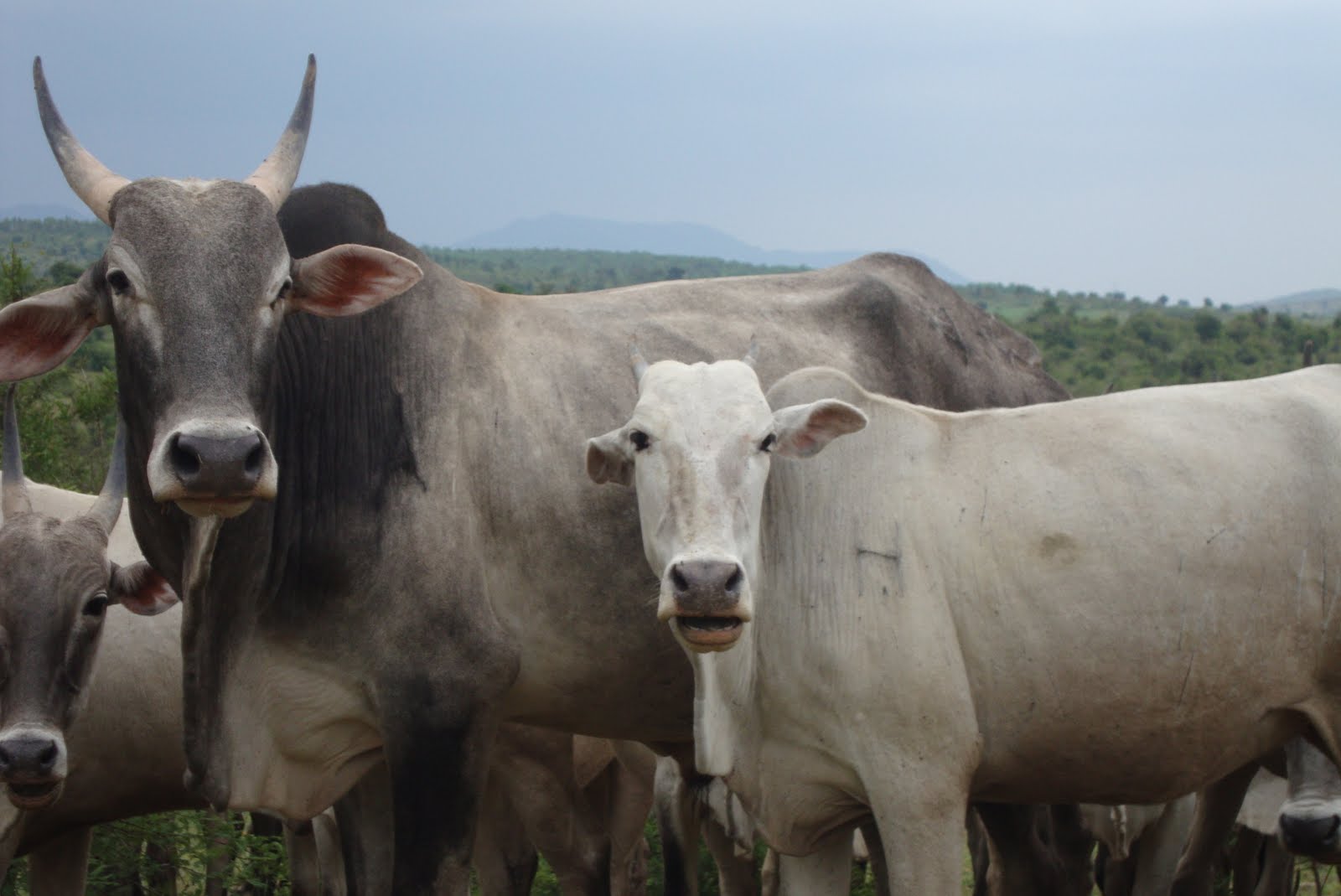
About 150 km from Bangalore lies Konehalli, a nondescript village in Tumkur district. On January 11, the Department of Animal Husbandry and Veterinary Services held the annual auction of a rather extraordinary breed of cattle. The fact that the first pair of calves were sold for Rs 1,20,150 speaks volumes about this breed. Known as Amruthmahal, these majestic cattle with a fitting name are much revered in many parts of rural Karnataka.
Interestingly, unique breeding practices of Amruthmahal cattle earlier led to the conservation of grasslands that they depended on for pasture. This intricate system is today falling apart due to various factors. There is an urgent need to conserve the biodiversity-rich grasslands that are vital for preserving this breed.
Amruthmahal cattle were patronised by the royalty, most notably by Vijayanagar emperors, the Wodeyars and later by Tipu Sultan. This breed was prized for its speed, endurance, strength and unfailing loyalty. The bulls were used in warfare as a frontline of defence and to transport heavy army equipment on rough roads and difficult terrain. Their strength and ability to withstand drought make them equally well-suited to dry land agriculture. An Amruthmahal bull does not take to strangers very easily and remains fiercely loyal to its owners and people of their household. This loyalty ensured that the breed has been employed to watchdog houses while the men were away. Those who have tasted the milk of an Amruthmahal cow swear by its sweetness. Even today, it is widely believed that Amruthmahal cattle bring prosperity to their owners. It is no wonder then that an animal that could carry out so many roles is treated with great regard and admiration.
Exclusive pasturelands known as Amruthmahal kaval are earmarked for these animals to graze. Grazing by other breeds of cattle and domestic animals is strictly prohibited on the Amruthmahal kaval to prevent them from contracting diseases and crossbreeding. This practice, when seen in the light of the breeding practices, also served another purpose. A certain number of untamed cattle which form the breeding population are left to graze on vast tracts of land. Only the offsprings are sold annually. Not used to being handled, these cattle are notorious for their impatient, wild and unruly disposition. Thus, they could harm grazers or domesticated animals. Amruthmahal kaval management
It is estimated that during the Vijayanagar Empire, these grasslands were spread over 4.15 lakh acres across Karnataka. Nomadic pattern of grazing that depended on the availability of pasture was followed. The management of pasturelands was assigned to servegaras and kavalgaras who held administrative and judicial powers over the lands they managed. They could prosecute the trespassers and lawbreakers of the kaval. They were also responsible for making logistic arrangements for the nomadic cattle and the grazers. They ensured the well-being of the animals by preventing grazing, fire, encroachment and felling of trees in the kaval. Even collection of dung from the pasturelands was not allowed as they believed that the dung improves the quality of pasture. However, wild animals were not disturbed.
Today, 27,468 ha of the kaval land remains in 62 villages of six districts and is owned by the Government of Karnataka. With a curious mix of old practices and current laws, the existing management system is extremely complex. The breeding of cattle has been taken over exclusively by the Department of Animal Husbandry and Veterinary Services.
The grasslands, being notified as ‘district forests’, fall under the jurisdiction of Karnataka Forest Department. On the ground, however, the posts of servegaras and kalvagaras continue to exist. They are actively involved in managing the grasslands. Though they no longer hold judicial powers, some of them, if not all, proactively take steps to keep the kaval lands free from encroachment by villagers. Some of the traditional breeding practices are still being followed in a few of the kavals.
Serendipitous conservation
Traditional methods of management had led to conservation of biodiversity in these grasslands. Preserving the grasslands was critical for providing pasture and suitable conditions for breeding the cattle. Thus, the servegars and kavalgaras serendipitously conserved valuable grasslands and biodiversity. Many of the kaval lands continue to be inhabited by wild animals such as black buck, wolf, hyena, jackal, porcupine, etc.
A local NGO, Maithreya Institute for Environment and Rural Studies, which has been actively working towards the conservation of these species-rich grasslands carried out a biodiversity assessment in Konehalli in September 2011. They recorded over 70 species of birds including five species of babblers, short-toed snake eagle, white-bellied minivet and stone curlew.
Current challenges
This system is today so ridden with maladies that the future of both the Amruthmahal cattle and the grasslands seem bleak. With increasing mechanisation of agriculture, demand for Amruthmahal cattle has dropped. Some farmers at the auction claimed that the quality of the breed too has deteriorated owing to improper management of grasslands and poor breeding practices.
The grasslands face various threats ranging from small-scale encroachments to large-scale allotments of these lands for industrial development. Invasive species such as lantana and prosopis threaten biodiversity of this region. Afforestation programmes taken up by the Forest Department have drastically changed the habitat. Illegal grazing, accidental fires, poaching of wild animals and sand-mining are some of the other direct and indirect threats. Vast stretches are also designated as “wastelands” and allotted for industrial development. Recently, there was a move to allot 600 acres of Gunderi kaval in Chitradurga’s Holalkere taluk to the KIADB.
Some of the kavals have been fenced to prevent wild animals from eating into the pastures. In the past, the kavalgaras were instrumental in keeping this entire system alive.
After the management of the kavals was taken over by the State government in 1954, the post of kavalgaras has mostly become ceremonial. They are not paid any salary for their services. As compensation, they are allotted five acres of agricultural land which they can use only to cultivate food and fodder crops. Constant conflict with villagers who try to encroach the kaval often leads to strained relationships with them.
Expenses they incur while on work for registering cases or seeking medical treatment are not recompensed. Some of the passionate ones claim that the honour of being kavalgara is what keeps them going. However, they seem skeptical of the younger generation taking up a thankless and unpaid profession.
The government must leave no stone unturned to preserve these unique grasslands that have not only produced the finest breed of cattle but also been a habitat for many unique and endemic species of flora and fauna.
Addressing the concerns of those who have been instrumental in preserving the system and exploring ways to incorporate traditional management practices within the current legislative framework could be a good step to begin with.
ಇತ್ತೀಚೆಗೆ ಅರಸೀಕೆರೆ ತಾಲ್ಲುಕಿನ ನಾಗಪುರಿ ಅರಣ್ಯದಲ್ಲಿ ವಿಶಿಷ್ಟ ಸರಿಸೃಪವಾದ ಊಸರವಳ್ಳಿಯ ಪತ್ತೆಯಾಗಿದೆ. ಕೆಮಿಲಿಯೋ ಝೆಲಾನಿಕಸ್ ಎಂಬ ವೈಜ್ಞಾನಿಕ ಹೆಸರುನಿಂದ ಕರೆಯಲ್ಪಡುವ ಈ ಊಸರವಳ್ಳಿಯು ಇಲ್ಲಿನ ಜೀವಜಾಲದ ಮುಖ್ಯ ಕೊಂಡಿಯಾಗಿದೆ. ಹಾಸನ ಜಿಲ್ಲಾ ವಿಜ್ಞಾನ ಕೇಂದ್ರ, ಅರಸೀಕೆರೆ ಮತ್ತು ಮೈತ್ರಯ ಪರಿಸರ ಅಧ್ಯಯನ ಕೇಂದ್ರದ ಸದಸ್ಯರು ಇಲ್ಲಿನ ಬೆಟ್ಟ ಗುಡ್ಡ ಕಾಡುಗಳಲ್ಲಿ ಪ್ರಾಣಿ ಹಾಗು ಸಸ್ಯ ಸಂಕುಲಗಳ ಜೀವವೈವಿಧ್ಯತೆಯ ಅಧ್ಯಯನ ನಡೆಸುತ್ತಿದ್ದ ಸಂದರ್ಭದಲ್ಲಿ ಈ ಅಪರೂಪದ ಪ್ರ್ರಾಣಿ ಕಾಣಿಸಿಕೊಂಡಿತ್ತು.
ಫೋಟೊ: 1: (ಕೆಮಿಲಿಯೋ ಝೆಲಾನಿಕಸ್) ವಿಶಿಷ್ಟ ಊಸರವಳ್ಳಿ.
ಕಣ್ಣು ಕೋರೈಸುವ ಹಸಿರು ಬಣ್ಣದೊಂದಿಗೆ ತನ್ನ ನಿಧಾನ ನಡಿಗೆಡಯೊಂದಿಗೆ ಹೊರ ಹೊರಟ ಈ ಜೀವಿ ಪರಿಸರದ ಹಿನ್ನೆಲೆಗೆ ತಕ್ಕಂತೆ ತನ್ನ ಮೈಬಣ್ಣ ಬದಲಿಸುವ ಗುಣ ಪ್ರಕಟಿಸುತ್ತಿತ್ತು. ತಲೆಯ ಮೇಲೆ ಕಿರೀಟದಂತಹÀ ಜುಟ್ಟು ಹೊಂದಿದ್ದ ಇದು ತನ್ನ ದೇಹವÀನ್ನು ಹಿಂದಕ್ಕೂ ಮುಂದಕ್ಕೂ ತೂಗಾಡಿಸುತ್ತ ವಿಶಿಷ್ಟ ಶೈಲಿಯಲ್ಲಿ ನಡೆಯುತ್ತಿತ್ತು. ಇದು ದಕ್ಷಿಣ ಭಾರತದಲ್ಲಿ ಸಿಗುವ ಏಕ ಮಾತ್ರ ಉಸರವಳ್ಳಿ ಎಂದು ಬಿಬಿಸಿ ಸಾಕ್ಷ್ಯ ಚಿತ್ರ ತಯಾರಕ ಪೌಲ್ ವಿಲಯಂಸ್ ಪಶ್ಚಿಮ ಘಟ್ಟಗಳಲ್ಲಿ ಪ್ರಯಾಣಿಸುವಾಗ ದಾಖಲಿಸುತ್ತಾರೆ.
ಉಸರವಳ್ಳಿಯ ಕಾಲಿನ ಬೆರಳುಗಳ ರಚನೆ ಗಿಣಿಯ ಕಾಲಿನ ರೀತಿಯಿದ್ದು ಎರಡು ಬೆರಳು ಹಿಂದೆ ಹಾಗು ಮೂರು ಬೆರಳು ಮುಂದೆಯಿರುತ್ತದೆ. ಮರಗಿಡಗಳ ರೆಂಬೆಗಳನ್ನು ಹಿಡಿದುಕೊಂಡು ಹತ್ತುತ್ತಾ ತನ್ನ ದೃಷ್ಟಿ ಶಕ್ತಿಯಿಂದ ಬೇಟೆಯಾಡುವುದನ್ನೇ ಇವು ಅಭ್ಯಾಸ ಮಾಡಿಕೊಂಡಿರುವ ಇವು ತಮ್ಮ ಆಹಾರವನ್ನು ತನ್ನ ದೇಹದಷ್ಟೆ ಉದ್ದವಾದ ನಾಲಿಗೆಯಿಂದ್ನ ಮನುಷ್ಯನ ಕಣ್ಣುಗಳು ಗುರುತಿಸಲಾಗದ ವೇಗದಿಂದ ಹೊರ ಚಾಚಿ ಒಳ ಸೆಳೆಯುತ್ತದೆ. ಇರುವೆಗಳು, ಮಿಡತೆಗಳು ಹಾಗು ಅನೇಕ ಕೀಟಗಳನ್ನು ಭಕ್ಷಿಸುತ್ತದೆ.ಅಲ್ಲದೆ ಸಮಾನ್ಯವಾಗಿ ಇವುಗಳು ಹದ್ದುಗಳು ಮತ್ತು ಹಾವುಗಳಿಗು ಆಹಾರವಾಗುತ್ತದೆ.
ಫೋಟೊ: 2: ನಾಗಪುರಿ ಅರಣ್ಯದಲ್ಲಿ ಔಷಧ ಸಸ್ಯಗಳ ಚಕ್ಕೆ ಸುಲಿದು ಪರಾರಿಯಾಗಿರುವುದು.
ಸ್ಟೀರಿಯೋಸ್ಕೋಪಿಕ್ ಕಣ್ಣು
ಕಣ್ಣಿನ ರಚನೆ ಅಸಾಧಾರಣವಾದುದಾಗಿದೆ. ಮೇಲಿನ ಮತ್ತು ಕೆಳಗಿನ ರೆಪ್ಪೆಗಳು ಸೇರಿಕೊಂಡು ಸಣ್ಣ ರಂದ್ರದಂತಹ ಕಣ್ಣು ಹೊಂದಿದೆ. ಏಕ ಕಾಲದಲ್ಲಿ ತನ್ನ ಎರಡೂ ಕಣ್ಣುಗಳನ್ನು ಬೇರೆ ಬೇರೆ ದಿಕ್ಕಿಗೆ ಹೊರಳಿಸಿ ಎರಡು ವಸ್ತುಗಳನ್ನು ನೋಡಬಲ್ಲವು. ಎರೆಡು ನೋಟಗಳನ್ನು ಒಂದಾಗಿಸಿ ನೋಡುವ ಸೂಕ್ಷ್ಮ ದರ್ಶಕ ರೀತಿಯಿರುವ ತನ್ನ (ಸ್ಟೀರಿಯೋಸ್ಕೋಪಿಕ್) ಕಣ್ಣುಗಳಿಂದ 360 ಡಿಗ್ರಿ ಸುತ್ತಲೂ ತನ್ನ ಕಣ್ಣಿನ ಪಾಪೆಯನ್ನು ತಿರುಗಿಸಬಲ್ಲ ಏಕೈಕ ಪ್ರಾಣಿ ಇದಾಗಿದೆ.
ತನ್ನ ಬಾಲವನ್ನು ಬೇಕೆಂದಾಗ ಸುರಳಿ ಸುತ್ತಿಕೊಳ್ಳುತ್ತದೆ. ಮೂಡನಂಬಿಕೆಗಳಲ್ಲೊಂದಾದ ಮದ್ದು ಕೊಡುವ ಪದ್ದತಿಗೆ ಇದನ್ನು ಹಿಡಿದೆ ಸಾಯಿಸಿ, ಮದ್ದು ತಯಾರಿಸುವ ಪದ್ಧತಿಗೆ ಇವು ಹೇಚ್ಚು ಬಲಿಯಾಗುತ್ತಿವೆ. ಈ ಊಸರವಳ್ಳಿಗಳು ಇಲ್ಲಿನ ಸಸ್ಯಗಳಾದ ತುಗ್ಗಲಿ, ಸೀಗೆ, ಕಾಡು ಮೆಣಸು, ಬಿಕ್ಕೆ, ಕಬ್ಬಳಿ ಇತ್ಯಾದಿ ಮರ ಗಿಡಗಳ ಮೇಲೆ ವಾಸಿಸುತ್ತ್ತಿದೆ. ಒಟ್ಟಾರೆ ನಾಗಪುರಿ, ಚಿಕ್ಕ ತಿರುಪತಿ, ಸಿದ್ದಪ್ಪನ ಬೆಟ್ಟಗಳ ಅರಣ್ಯದ ಸಸ್ಯ ಸಂಕುಲ ಉಳಿದರೆ ಇಂತಹ ಅನೇಕ ಜೀವಿಗಳು ನೆಮ್ಮದಿಯಿಂದ ಬದುಕಲು ಸಾಧ್ಯವಾಗುತ್ತದೆ
ಸುಮಾರು 160 ಪೆಭೇದಗಳಿರುವ ಈ ಜೀವಿಗಳು ಆಫ್ರಿಕಾ, ಮಡಗಾಸ್ಕರ್, ಸ್ಪೇನ್ ಮತ್ತು ಪೋರ್ಚುಗಲ್, ದಕ್ಷಿಣ ಏಷ್ಯದಿಂದ ಹಿಡಿದು ಹವಾಯಿ ದ್ವೀಪಗಳು, ಕ್ಯಾಲಿಫೋರ್ನಿಯ ಮತ್ತು ಫ್ಲೋರಿಡಾ ಪ್ರದೇಶಗಳಲ್ಲಿ ಹರಡಿವೆ. ಒಟ್ಟಾರೆ ಉಷ್ಣವಲಯ ಪ್ರದೇಶಗಳಿಂದ ಹಿಡಿದು ಮಳೆ ಕಾಡುಗಳಲ್ಲಿ ಹಾಗು ಮರುಭೂಮಿಗಳಲ್ಲೂ ಕಂಡು ಬರುತ್ತವೆ. 26 ಮಿಲಿಯನ್ ವರ್ಷಗಳ ಹಿಂದಿನಿಂದಲೂ ಇರುವ ಈ ಪ್ರಭೇದಗಳಲ್ಲಿ ಸುಮಾರು 150 ಹೆಚ್ಚು ಪ್ರಭೇದಗಳು ಮಡಗಾಸ್ಕರ್ ದ್ವೀಪಗಳೊಂದರಲ್ಲೇ ಕಂಡು ಬರುವುದು ಆಶ್ಚರ್ಯವೇ ಸರಿ. ಇವುಗಳ ಪೆಭೇದಗಳು 1.3 ಇಂಚು ಬೆಳೆಯಬಲ್ಲ ಉಸರವಳ್ಳಿಗಳಿಂದ ಹಿಡಿದು 27 ಇಂಚು ಉದ್ದ ಬೆಳೆಯುವ ಊಸರವಳ್ಳಿಗಳೂ ಇವೆ.
The Untold Story of Amrithmahal (Kavals) Grasslands of Deccan plateau
The Staple foods of the great majority of mankind come from grass. The grains of grasses such as maize in Americas, rice in Asia, Wheat, Rye, Barley and oats in Europe, and the sorghums in Africa and India provide the main basis of carbohydrate diet while the flesh of animals that graze on pastures provide the main source of his proteins and fats. Thus the nurture of grasses and grasslands is a matter of great importance to him and has always been so. Many of his migrations and invasions have resulted from his search for grasslands. Increasing skill in growing cereal crops and maintaining grazing animals has been a fundamental nature of this progress in civilization. Indeed the future of his present-day civilization may depend largely on his ability to extend these basic resources to his nourishment. (Bernard & Frankel, 1964).
Konehalli Amrithmahal Kaval (Grassland)
Although the great importance of grass and grassland lies in providing sustenance and other benefits viz. building homes and furnitures, (lawns brooms, sports field and as components of some cosmetic products and medicines), with their rich Biodiversity they also serve as important habitat for wildlife like Black Buck, Wolf, Great Indian Bustard and many other endangered flora and fauna.
The Local breeds of cattle play a vital role in livelihood security in any agriculture dependent nation. Majority of the crop growing and livestock rearing areas are dry land areas with low and medium input agricultural practices which favor conservation of animal genetic diversity. The native cattle are well known for their draft efficiency, heat tolerance and resistance to diseases.
Today, many of them are disintegrating and degenerating both in quality and numbers, crumbling our genetic base. As a result, even well-established breeds such as Punganur went extinct, and breeds like Amruth Mahal & Krishna valley is endangered. Excellent draft breeds such as Amruth Mahal, Hallikar and Khillari have reduced in number as well as in their purity.
Amrithmahal breed
Breeders have actually felt that there is deterioration in the quality such as stature, structure, size and functional activities of Amrit Mahal breed over years. The number of animals in the breeding tract is getting reduced drastically due to degradation of pasture encroachment, invasive species poor grazing management and arbitrary breeding practices.
Animal genetic diversity is a part of earth’s natural heritage. The loss of unique breeds is an irreplaceable reduction in the natural profusion of life forms. Breeds with unique physiological or other traits are always of great interest. Many indigenous breeds have special adaptive traits mentioned earlier. Man has depended on domestic animals for his food, fiber and finance, cultural and scientific needs even today.
Over-utilization and misuse of these common grazing lands has led to their degradation. However, due to our ever increasing population these grassland are being converted into agricultural lands through the development of dams and canals. Ecologists estimate that more that 43% of the Indian subcontinent is in the process of changing from grassland to desert.
Presently, the Amrithmahal Kaval (Grasslands) of Karnataka has been facing the serious problem of encroachment & degradation due to:
1.Passive participation of Kavalgars.
2.Failure in implementing the guidelines for protection and conservation.
3.Most of the sub-center has stopped the nomadic grazing which lead to encroachment.
4.High labour turn-over in case of herdsmen.
5.Afforestation in grassland.
6.Overgrazing and illicit grazing.
7.Wood logging and poaching of wildlife.
8.Invasive species.
9.Encroachment with the help of Revenue and Survey Department.
10.Reckless and illegal land release for Agriculture, Mining, and to other Intuitions by the successive governments in different period of time.
This has unfortunately led to extinction of its precious biodiversity, thereby indirectly pushing the rare and endangered Amruth Mahal cattle and biodiversity to extinction.
On other hand, Karnataka has the dubious distinction of having the second largest share of the drought-prone areas of the country. Agriculture is the most significant vocation that is affected by drought. In a situation of drought the fodder availability gets altered differentially across seasons and regions. The impact of an early Kharif season drought on fodder production is likely to be different than a drought during crop growth period and followed by a Rabi season drought. Thus, pressure will be at its helm on these Amruth Mahal Kavals. And their collapse has serious implication for both livelihood & the conservation of biodiversity.
Since the problem has been not studied in its totality, we are now fortunate to have such a study done by the Maithreya Trust, Tiptur. Pls contact us for detailed report in both english and kannada.
We are grateful to the Western Ghat Task Force, Karnataka, for reposing the confidence in Maithreya and assigning this study to the Institute for the cause of bio-diversity conservation. We are grateful to Sri U.P.Singh,I F S, Dy. Conservatory of Forests, Tumkur Division, for supporting the course of this study.
Our sincere thanks to Dr. Suresh, Deputy Director of Amrithmahal Farm Ajjampura, Dr. Ranganath for providing valuable information and kind support for this study. We are grateful for their help. Special thanks to Dr. Murgeppa, Associate professor and Head & Dr. Parmsiviha Chief consultant, LR & IC( Amrithmahal) for their valuable guidence during the course of the study.
We Kindly remember Mr. Gouthama Avarthi, Anthropologist, Mysore for supporting us by giving vital information in this project. We Thank Mr. Mohan Moolpetlu, Emarald Quest, Mr. Maheshchandra Chikkamaglore who traveled extensively for all Amrithmahal kavasl and did vital study for this project.
Our Special thanks to Mr. Manu, MAN Mysore, for bringing his wonderful team for Biodiversity survey at Konehalli.
Sincere thanks to Sri. Shivaprakash Advanne, BNHSwho constantly guided us in field. and through out the year he spared his valuable time inspite of his busy schedules via Telephone. We Kindly Acknowledge support extended by Sri Sivanand and Sri Sampath,Naturalist from Mysore for their valuable guidance in Konehalli biodiversity Maping.
We remember this time Farmers, stake holders, breeders, servegars and Kavalgars of Amrithmahal cattle and grasslands.
Special thanks to Ms Jhanavi Pai, Bangalore for her valuable guidance and help in fine tuning this project report.
Finally our Special thanks to energetic Naturalist's across karnataka Mr. Ravi kumar, Ms. Deepika prasad, Ms. Aparna Kolekar, Mr. Guru Thimmapur, Mr. Santhos Tiptur, Ms. Dayani Chakravarthy, Mr. Gundappa for helping us doing biodiversity survey in Amrithmahl Kaval.
ನಾಶದಡೆ ನಾಗಪುರಿ ಸಸ್ಯ ಸಂಪತ್ತು ಪಶ್ಚಿಮ ಘಟ್ಟಗಳ ಸೆರಗಿನ ಅಂಚಿನಂತೆ ಇರುವ ಅರಸೀಕೆರೆಯ ಚಿಕ್ಕತಿರುಪತಿ, ಬಹುದ್ದೂರಘಡ, ಹಾನಗಲ್ ನೆತ್ತಿ, ತೇಗದ ಬಯಲು, ಅಂಟ್ರಾಟ್ ಗುಂಡು, ನಾಗಪುರಿ, ಸಿದ್ದಪ್ಪ ಬೆಟ್ಟ, ಹಿರೇಕಲ್ಲು ಗುಡ್ಡ ಹಾಗು ಇತರೆ ಬೆಟ್ಟಗುಡ್ಡಗಳ ಸಾಲು ಮನಮೋಹಕ ಹಾಗು ರುದ್ರರಮಣಿಯವಾಗಿವೆ. ಕರಡಿ, ಚಿರತೆ, ತೋಳ ಮುಂತಾದ ವನ್ಯಜೀವಿಗಳ ಆವಾಸಸ್ಥಾನವಾಗಿರುವ ಈ ಬೆಟ್ಟಗುಡ್ಡಗಳು ತನ್ನ ಒಡಲಿನಲ್ಲಿ ಸಮೃದ್ಧ ಸಸ್ಯಸಂಕುಲಗಳ ಸಾಗರವನ್ನೇ ಅಡಗಿಸಿಕೊಂಡಿದ್ದು ಪ್ರಮುಖ ಮತ್ತು ಐತಿಹಾಸಿಕ ಹಿನ್ನಲೆಯುಳ್ಳ ನಾಲ್ಕು ದೇಗುಲಗಳನ್ನು ಸಹ ಹೊಂದಿ ಸಾವಿರಾರು ಭಕ್ತರಿಗೆ ತೀರ್ಥಕ್ಷೇತ್ರವೂ ಆಗಿದೆ.
ನಾಗಪುರಿ ಅರಣ್ಯ ಮತ್ತು ತಪ್ಪಲು ಪ್ರದೇಶದ ವಿಹಂಗಮಯ ನೋಟ
ಹಿಂದೆ ಇದ್ದ ದುರ್ಗಮ ದಾರಿಗಳು ಇತ್ತೀಚೆಗೆ ಭಕ್ತರಿಗಾಗಿ ವಿಶಾಲಗೊಂಡಿದ್ದು, ಮರಗಳ್ಳರು, ಬೇಟೆಗಾರರು ಮತ್ತು ಔಷಧ ಸಸ್ಯಗಳ ಕಳ್ಳಸಂತೆ ಮಾಡುವವರಿಗೆÀ ಹೆದ್ದಾರಿಯಾಗಿದೆ. ಇತ್ತೀಚೆಗೆ ತಿಪಟೂರಿನ ಮೈತ್ರಯ ಪರಿಸರ ಅಧ್ಯಯನ ಕೇಂದ್ರ ಹಾಗು ಅರಸೀಕೆರೆಯ ವಿಜ್ಞಾನ ಕೇಂದ್ರದ ಸದಸ್ಯರ ತಂಡವು ನಾಗಪುರಿ ಅರಣ್ಯ ಭಾಗದಲ್ಲಿ ಜೀವವೈವಿಧ್ಯತೆಗಳ ಸಮೀಕ್ಷೆ ನಡೆಸುತ್ತಿದಾಗ ಹಾಡುಹಗಲೆ ಮರಗಳ ಕಳ್ಳಸಾಗಣಿಕೆಯಾಗುತ್ತಿದ್ದನ್ನು ಗಮನಿಸಿದೆÉ.
ಮಾನವನ ನಿರಂತರ ಚಟುವಟಿಕೆ
ದೇವರು-ದೇವಸ್ಥಾನಗಳಿಗೆಂದು ಕರಿಮತ್ತಿ, ಭೂತಾಳೆ ಜಾತಿಯ ಮರಗಳು ಹಾಗು ಮದುವೆ ಮುಂಜಿಗೆಂದು ಇತರೆ ಅಪರೂಪದ ಮರಗಳು ಇಲ್ಲಿ ಉರಳುತ್ತಿದ್ದು, ಔಷಧ ಗಿಡಮರಗಳ ಕಾಳಸಂತೆಯ ಮಾರಟಗಾರರು ಇಲ್ಲಿನ ಸಸ್ಯಸಂಪತ್ತನ್ನು ದೋಚುತ್ತಿದ್ದಾರೆ.
ನಾಗಪುರಿ ಅರಣ್ಯ ಪ್ರದೇಶಗಳಿಂದ ಅನಧಿಕೃತವಾಗಿ ಮರಗಳನ್ನು ಸಾಗಿಸುತ್ತಿರುವುದು
ಬೇಟೆಗಾರರು ಸಂಜೆ ಸಮಯದಲ್ಲಿ ಇಲ್ಲಿ ಸುಳಿದಾಡುವುದು ಸಾಮಾನ್ಯವಾಗಿದೆ. ಈ ಬಾರಿ ಮಳೆಯು ಕಡಿಮೆಯಾಗಿರುವ ಕಾರಣ ಮೇವಿಗಾಗಿ ಊರು ದನಕರುಗಳ ಓತ್ತಡ ಈ ಅರಣ್ಯ ಭಾಗದಲ್ಲಿ ಹೆಚ್ಚಾಗಿದ್ದು ವನ್ಯಜೀವಿಗಳ ಆಹಾರಕ್ಕೆ ಕುತ್ತು ತಂದಿದೆ. ಇದರಿಂದ ವನ್ಯಜೀವಿಗಳು ಆಹಾರಕ್ಕಾಗಿ ವಲಸೆ ಹೋಗುವ ಸಾಧ್ಯತೆ ಹೆಚ್ಚಾಗಿದ್ದು ಮಂದೆ ಮಾನವನೊಂದಿಗೆ ಸಂಘರ್ಷಕ್ಕೆ ಎಡೆ ಮಾಡಿಕೊಡಲಿದೆ.
ಇಲ್ಲಿನ ಐತಿಹಾಸಿಕ ದೇವಸ್ಥನಗಳಿಗೆ ಬರುವ ಭಕ್ತರಿಂದ ಪ್ಲಾಸ್ಟಿಕ್ ಬ್ಯಾಗ್, ಲೋಟ ಹಾಗು ಇತರೆ ತ್ಯಾಜ್ಯದಿಂದ ಅರಣ್ಯ ಪ್ರದೇಶವು ಕೂಡ ಮಾಲಿನ್ಯವಾಗುತ್ತಿದೆ. ಈ ಪ್ರದೇಶಗಳಲ್ಲಿ ಹೆಚ್ಚುತ್ತಿರುವ ಮಾನವನ ನಿರಂತರ ಚಟುವಟಿಕೆಗಳು ಮಂದೆ ಈ ಬೆಟ್ಟಗುಡ್ಡಗಳನ್ನು ಬೋಳಾಗಿಸುವ ಸಾಧ್ಯತೆ ಹೆಚ್ಚಾಗಿದೆ ಎಂದು ಅಧ್ಯಯನ ನಡೆಸುತ್ತಿರುವ ತಂಡದ ಅಭಿಪ್ರಾಯವಾಗಿದೆ.
ಸ್ಥಾನಿಕ ಜೀವಪ್ರಭೇದಗಳು
ಅರೆ-ಶುಷ್ಕ ಕಾಡಿನ ಸಾಲಿಗೆ ಸೇರುವ ಈ ಆರಣ್ಯ ಪ್ರದೇಶಗಳು ಹಲವು ಸ್ಥಾನಿಕ ಸಸ್ಯಸಂಕುಲಗಳಾದ ಜಾಲಾಂದ್ರ, 150 ವರ್ಷಕ್ಕೂ ಹಳೆಯದಾದ ಸೈಕಾಸ್ ಮತ್ತು ಅಪರೂಪದ ಅರ್ಕಿಡ್ಗಳ ಆಶ್ರಯ ತಾಣವಾಗಿದೆ. ಬಯಲುನಾಡಿನ ಅರಣ್ಯ ಪ್ರದೇಶಗಳಿಂದ ಕಾಣೆಯಾಗಿರುವ ಕರಿಮತ್ತಿ, ವಿವಿಧ ಜಾತಿಯ ಭೂತಾಳೆ ಮರಗಳು ಕಂಡುಬಂದಿದೆ. ಹಾಗೆಯೇ ಅಪರೂಪದ ದಿಂಡಗ, ಪಚಾಲಿ, ನವಿಲಾಡಿ, ತುಬರ, ಜಾಲಾಂದ್ರ ಹಾಗು ಮುಂತಾದ ಅವನತಿಯಡೆ ಸಾಗುತ್ತಿರುವ 60ಕ್ಕೂ ಹೆಚ್ಚು ಪ್ರಭೇದಗಳ ಮರಗಳಿದ್ದು, ನೂರಾರು ಔಷಧ ಸಸ್ಯಗಳು ಇಲ್ಲಿ ಕಂಡುಬರುತ್ತದೆ.
ಸಾಮಾನ್ಯವಾಗಿ ಪಶ್ಚಿಮ ಘಟ್ಟಗಳಲ್ಲಿ ಕಂಡು ಬರುವ ಇಂಡಿಯನ್ ಟ್ರೀಪೈ ಪಕ್ಷಿಯು ಇಲ್ಲಿ ಕಂಡುಬಂದಿದ್ದು ಸುಂದರ ಹಾಡುಗಾರ ಹಕ್ಕಿ ಐಯೋರ, ರಾಬಿನ್ಗಳು ಹಾಗು ಇತರೆ ವೈವಿಧ್ಯಮಯ ಪಕ್ಷಿ ಸಂಕುಲಗಳು ಇಲ್ಲಿ ಸಾಮಾನ್ಯವಾಗಿವೆ.
ರಾಜ್ಯದಲೇ ವಿಶಿಷ್ಟವಾಗಿರುವ ಈ ಅಪರೂಪದ ಜೈವಿಕ ತಾಣವನ್ನು ಸಂರಕ್ಷಿಸಿ ಸರಿಯಾಗಿ ನಿರ್ವಹಿಸಲು ಸರ್ಕಾರ ತುರ್ತು ಕ್ರಮಕೈಗೊಳ್ಳಬೇಕು ಎಂದು ಜೀವವೈವಿಧ್ಯತೆಗಳ ಸಮೀಕ್ಷೆ-ಅಧ್ಯಯನ ನಡೆಸುತ್ತಿರುವ ತಂಡದ ಸದಸ್ಯರಾದ ಮನೋಹರ್ ಪಟೇಲ್, ಲಿಂಗರಾಜು, ಅಶೋಕ್, ಯುವರಾಜ್, ಹರೀಶ್ ಹಾಗು ಶ್ರೀಕಾಂತ್ರವರ ಒತ್ತಾಯ.
Though there is a distinction between fresh water lakes and brackish water lakes, just as the lakes of Tiptur taluk lakes which lies on southern peninsular India are distinct from those of the Himalayan region and natural lakes from man made reservoirs, there is no scientific evaluation.
The Tanks and ponds, all over the Tiptur taluk are in varying degrees of environmental degradation. The degradation is due to encroachments eutrophication (from domestic and industrial effluent as in case of Tiptur lake) and silt. There has been a quantum jump in population during the last century without corresponding expansion of civic facilities resulting in tanks and ponds, especially the Tiptur town ones, becoming sinks for contaminants. The main causes for the impaired conditions of the tanks could be summarized as under.
Silting of tanks on account of increased soil erosion as result of expansion of urban and agricultural areas, deforestation, road construction and such other land disturbances taking place in the drainage basin.
Diversion of river feeding the tanks reducing their sizes.
Competition for using tank, water such as for drinking, irrigation etc.,
Untreated or inadvertently treated domestic and industrial (Motor vehicle workshops) effluent from point sources located all over the basin.
Milk that which is equal to nectar (Amruth) and Mahal represented the office which manages Wild Cattle of the Royal Palace. Originally Karuhatti’ establishment of Vijayanagar Viceroy at Srirangapatna consisted of selected breed of Cows brought from Vijayanagar, has initiated the Cattle development activity for the supply of milk and milk products to the palace, some time during 1512.
During the Year: 1617-1704 Wodeyars of Mysore made their own additions to these stocks from time to time assigning ‘Kavals’ in different parts of the Kingdom for the purpose of grazing. In 1636-1653 Sri Srikanta Narasimha Raja Wodeyar gave special interest for the development of these cattle.
During the year 1672-1704 Chikkadevaraya Wodeyar brought this establishment under the name "Benne Chawdi" for the better management and reserved nearly 4.13 lacks acres of Kaval land in different climate zone for the conservation and development of this precious breed. They were divided into hot weather, wet weather and Cold weather Kaval according to the seasons of the year during which they are of most use. Hot weather Kaval are generally the beds of tanks in which grass springs up during hot month, and in which there are trees for affording shade to the cattle during heat waves with special privileges as regards to grazing.
He appointed specially Servegaar for maintenance the Breed purity, Kavalgar and his head Kaval ranger for protecting the Kaval Lands and fodder development. The cattle of Benne Chawdi were marked with the special symbol Dhe () for the identification. The Animals of Benne Chawdi were regularly classified for the purpose of (Plow) agriculture, (Gun) transportation and (Pack) breeding. At the same time, the bullocks were utilized for the movement of army equipage. Like this the glory of improving these cattle breed in terms of quality and goes to Sri Chikkadevaraya Wodeyer of Mysore.
(ಪ್ಯಾಕ್ ಬುಲ್ಲೋಕ್ಸ್ ಇಮೇಜ್ ಫ್ರೊಂ Internet)
.
Later, Benne Chawdi was taken over by Hyder Ali in different battles & gathered all the herds from Chitradurga, Tarikere and Tirchinapalli into one and used this cattle’s especially for the artillery purpose.
He reported to have introduced a small Brahmani bulls which are noted for the endurance and fast trotting powers breed of cattle from Trichy and crossed with the indigenous breed of Mysore province, and produced more improvised version of the Hallikar breed, which is considered to be the one of the best in the Amruth Mahal establishment. It was said that there were more than 60,000 cattle’s in his time and these establishment which enabled Hyder Ali to march 100 miles in 2 days and half, and after every defeat to draw of his guns in the face of enemies.
After Hyder Ali, his son Tippu Sultan reorganized the whole establishment of Benne Chawdi which consisted three important family; namely Hallikar, Hagalwadi and Chitradurga for the better administration and management and named it as ‘Amruth Mahal’ from the “Benne Chavdi”. Tippu took the interest in this breed and issued regulations through ‘Hukumnama’ (Royal decree) and appointed Dewan Poornaiha of Srirangapattanam to look after the Amruth Mahal department.
Under this Hukumnama regulations, Huzuer Master (Annual mustering)was the activity carried out every year for the purpose of documentation of the Cattle and lands, where the under breed cattle were removed regularly from the herds to maintain pure & superior breeds. He awarded Land, Gold and silver for the best care taker of the cattle and Kavals. Further these cattle also enabled Tippu sultan to cross the peninsula at the speed of 40miles per day before Gen.Medson of British army could make it and helped him in recovery of Bedanur. Even now this Hallikar of Amrithmahal is called as Poornaiha’s cattle in the Thanjavor and Thiruchanapalli belt. Like this Cattle of Benne Chawdi which reached the heights of progress in terms of quality and quantity during the time Chikkadevaraya Wodeyar, reached its heights of development during the time of Tippu sultan.
The Cattle’s of Amruth Mahal attracted great deal of attention of military strategist’s during the Tippus time on account of their endurance in adverse weather conditions, consistency in traveling 16 hours per day, and the ability to move and cross in tough and dangerous roads at maximum speed with which they could move heavy army equipment like artilleries, Shells and Food materials. Even the Duke of Wellington during peninsula war exclaimed that he regretted that he had not the assistance of Amrithmahal Cattle.
After the 4th Mysore battle in 1799, Srirangapattanam was taken over along with the Amrithmahal establishment by the British. A commissioner Captain Harvey was placed in charge by the establishment.However they adopted the same ways and means to sustain the development of Amrithmahal Cattle for Milk, draught, warfare etc., The department comprising 143 Kavals was placed in charge of Military Assistant to British Government of India.
Littlewood (1936) quoting an army officer who accompanied an army expedition to Afghanistan in 1842 says no draft cattle in the army were so efficient as the 230 (Mysore) bullocks, which accompanied the troops to Afghanistan. It was entirely due to the superiority of these cattle that no part of the equipment was required to be abandoned when the troops were returning to India over the almost impracticable roads through the Tirah Mountains. These cattle were frequently upwards of sixteen hours in yoke.
Kristnasamiengar and pease (1912) mention that cattle of Amrithmahal establishment originally comprised there distinct varieties. Hallilkar Hagalvadi and Chitaldroog prior to 1860. It seems that these there varieties were maintained separate from each other.
Fall of Amrithmahal
The real fall of Amruth Mahal cattle kingdom began with its abolition and wrong economic vision by Sir.Khauls in the year 1860. He divided these herds into different groups and sold most of the animals to the Pasha of the Egypt, who moved all the Amruth Mahal cattle to the Egypt at a stretch.
Era of Conservation
Mean while Maharaja Krishna raja wodeyer of Mysore took special interest to conserve these cattle and began to collect the left over cattle during the transit with the help of Kavalgars and Servegars of the abolished Amruth Mahal department. Even today around 137 cattle (now 60% of them are extinct) carries the name of the family or place, which they were collected or procured.
The Amruth Mahal was re-established in December 1867 by the MadrasSouthern Karnataka namely Chickmagalur, Chitradurga, Davanagere, Hassan, Shimoga and Tumkur. commissioner with the assistance of Maharaja of Mysore. The cattle were divided in to 30 herds containing from 200 to 700 head of cattle each; for grazing of which 208 Kaval or pasture grounds were allotted from various part of erstwhile Mysore state. These are very valuable Kaval and are reserved solely for Government Cattle, which lies in the six districts of Karnataka.
These are very valuable Kaval and are reserved solely for Government Cattle, which lies in the six districts of Southern Karnataka namely Chickmagalur, Chitradurga, Davanagere, Hassan, Shimoga and Tumkur. A ‘Kaval’ means a grazing space for cattle. Many Amrithmahal Kavals still exist from a long time and are now under the Department of Animal husbandry and Veterinary services. As the cattle are maintained in these pasture areas without any restrictions and handling, they show a very impatient, wild and unruly disposition. They are at time dangerous, particularly to strangers. They need patience and care in training; hard treatment makes them stubborn. Once they are trained they are extremely fine bullocks, particularly for quick transportation. They are observed to have great endurance.
Annually mustering and auctioning of excess of this animals to the farmers for agriculture purpose is being done by this department. However, the number of such wonderful animals is reducing day by day and feared to be at the verge of extinction.
 ಸಾಮಾನ್ಯವಾಗಿ ಹಳ್ಳಿಯ ಹೊರಗೆ, ಹೊಲಗಳಲ್ಲಿ, ಪೊದೆಗಳ ನಡುವೆ, ಹುಲ್ಲುಗಾವಲಿನ ಪ್ರದೇಶ ಅಥವ ಒಣ ಕುರುಚಲು ಕಾಡುಗಳಲ್ಲಿ ನಮ್ಮ ದಾರಿಗೆ ಅಡ್ಡಲಾಗಿ ಒಮ್ಮೆಲೆ ಫುರ್ರೆಂದು ಹಾರಿ, ಗಾಬರಿ ಹಟ್ಟಿಸುವ ಈ ಕಾಡಿನ ಹಕ್ಕಿಗಳೆ ಚಿಟ್ಟು ಕೋಳಿಗಳು. ಇವುಗಳನ್ನು ಗೊಜಲಕ್ಕಿ, ಕವುಜಲು ಹಕ್ಕಿ ಎಂದೂ ಕರೆಯುತ್ತಾರೆ. ಆಂಗ್ಲ ಭಾಷೆಯಲ್ಲಿ ‘ಗ್ರೇ ಫ್ರಾಂಕೊಲಿನ್’ (Grey francolin) ಎಂದು ಕರೆಯುತ್ತಾರೆ. ಮುಂಚೆ ಇವುಗಳನ್ನು ‘Jungle Partridges ’ ಎಂದೂ ರೆಯುತ್ತಿದ್ದರು. ಇದರ ವೈಜ್ಞಾನಿಕ ನಾಮಧೇಯ“Francolinus
pondicerians ”.
ಸಾಮಾನ್ಯವಾಗಿ ಹಳ್ಳಿಯ ಹೊರಗೆ, ಹೊಲಗಳಲ್ಲಿ, ಪೊದೆಗಳ ನಡುವೆ, ಹುಲ್ಲುಗಾವಲಿನ ಪ್ರದೇಶ ಅಥವ ಒಣ ಕುರುಚಲು ಕಾಡುಗಳಲ್ಲಿ ನಮ್ಮ ದಾರಿಗೆ ಅಡ್ಡಲಾಗಿ ಒಮ್ಮೆಲೆ ಫುರ್ರೆಂದು ಹಾರಿ, ಗಾಬರಿ ಹಟ್ಟಿಸುವ ಈ ಕಾಡಿನ ಹಕ್ಕಿಗಳೆ ಚಿಟ್ಟು ಕೋಳಿಗಳು. ಇವುಗಳನ್ನು ಗೊಜಲಕ್ಕಿ, ಕವುಜಲು ಹಕ್ಕಿ ಎಂದೂ ಕರೆಯುತ್ತಾರೆ. ಆಂಗ್ಲ ಭಾಷೆಯಲ್ಲಿ ‘ಗ್ರೇ ಫ್ರಾಂಕೊಲಿನ್’ (Grey francolin) ಎಂದು ಕರೆಯುತ್ತಾರೆ. ಮುಂಚೆ ಇವುಗಳನ್ನು ‘Jungle Partridges ’ ಎಂದೂ ರೆಯುತ್ತಿದ್ದರು. ಇದರ ವೈಜ್ಞಾನಿಕ ನಾಮಧೇಯ“Francolinus
pondicerians ”. ಮುಂಜಾನೆ ಹಾಗೂ ಸಂಜೆಯ ಸಮಯದಲ್ಲಿ ಈ ಚಿಟ್ಟು ಕೋಳಿಗಳ ಕೂಗು ವಿಶಿಷ್ಟವಾಗಿ ಕೇಳಿಸುತ್ತದೆ .“ಕಿಕೀಂ,,ಕೂಂ.. ಕಿಕೀಂ,,ಕೂಂ ಕಿಕೀಂ,, ಕೂಂ” ಅಥವ “ತಿತೀಥರ್.. ತಿತೀಥರ್.. ತಿತೀಥರ್” ಎಂಬ ಕೂಗು ಇಡಿ ಕಾಡನ್ನೆ ಮಾರ್ಧನಿಸುವಂತೆ ಮಾಡುತ್ತವೆ. ಒಮ್ಮೊಮ್ಮೆ ಕಾಡಿನಲ್ಲಿ ದೊಡ್ಡ ಪ್ರಾಣಿಗಳ ಸಂಚಾರವಾದಾಗ, ಪೊದೆಗಳಿಂದ ಪೊದೆಗಳಿಗೆ ಹಾರುವ ಇವುಗಳ ರೆಕ್ಕೆ ಬಡಿತದ ಸದ್ದನ್ನೇ ಗಂಭೀರವಾಗಿ ಪರಿಗಣಿಸಬೇಕಾಗುತ್ತದೆ. ಈ ಹಕ್ಕಿಗಳು ಹಾರುವುದಕ್ಕಿಂತ ಹಚ್ಚು ಓಡುತ್ತವೆ. ಅವಶ್ಯವಿದ್ದಾಗ ಮಾತ್ರ ಪಟಪಟನೆ ರೆಕ್ಕೆ ಬಡಿದು ಹಾರಿ ನಂತರ ಸ್ವಲ್ಪ ದೂರ ತೇಲಿ ಕಣ್ಮರೆಯಾಗುತ್ತವೆ. ಏಪ್ರಿಲ್ ಮಾಸ ದಿಂದ ಸೆಪ್ಟೆಂಬರ್ ಮಾಸದ ತನಕ ಇವು ಗೂಡು ಕಟ್ಟಿ, ಮೊಟ್ಟೆ ಇಟ್ಟು, ಮರಿ ಮಾಡುವಲ್ಲಿ ತೊಡಗುತ್ತವೆ. ಕಡ್ಡಿ, ಹುಲ್ಲು ಗಳನ್ನು ಸೇರಿಸಿ ನೆಲದ ಮೇಲೆಯೆ ಕಾಣದ ಹಾಗೆ ಗೂಡು ಕಟ್ಟಿ ಅದರಲ್ಲಿ 4-6 ಮೊಟ್ಟೆಗಳನ್ನಿಡುತ್ತವೆ.


 (Amrith mahal at war)